Scientific machine learning
Hybrid physics-data driven models
Data-driven modeling of spatiotemporal physical systems, with an emphasis on forward, inverse, and optimization problems.
Structural health monitoring
- Out-of-distribution detection/Anomaly detection in aerospace composites:
- Collecting datasets that accommodate every possible damage scenario is cumbersome, costly, and often infeasible for aerospace applications.
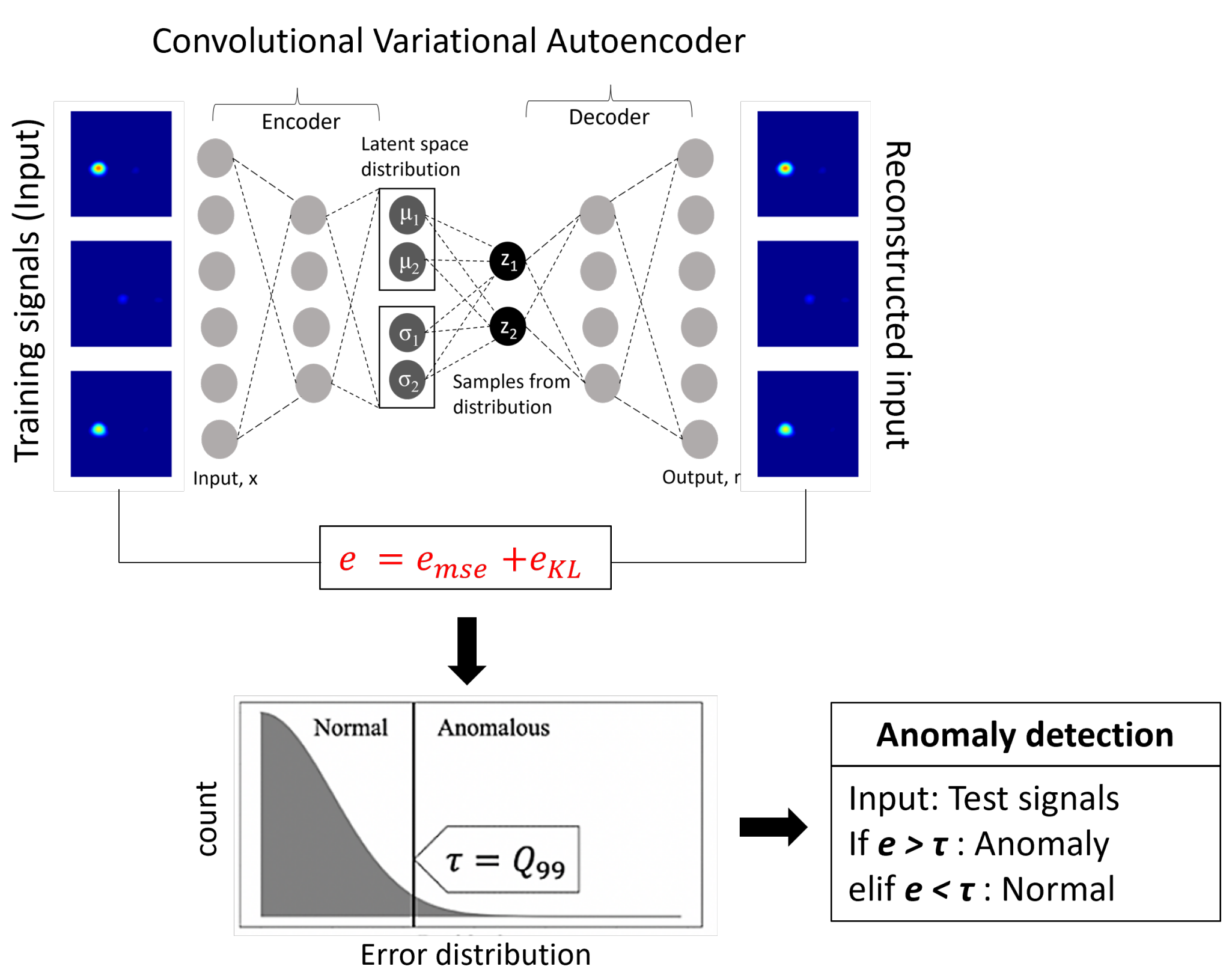
- We have proposed two self-supervised representation-learning approaches to learn the distribution of baseline signals.
- The trained self-supervised learner is used for delamination prediction within an anomaly-detection framework. Methods including autoencoders, variational autoencoders, PCA-SVM, and ICA-SVM are employed.
- Learn more in Paper 1 and Paper 2.
- Deep variational filtering for temperature effects in guided-wave structural health monitoring. Learn more in this paper.
- Physical-knowledge-assisted ML for structural health monitoring. Learn more in this paper.
- Deep surrogate inverse solvers for guided-wave SHM. Learn more in this paper.
Neural surrogate solvers for PDEs
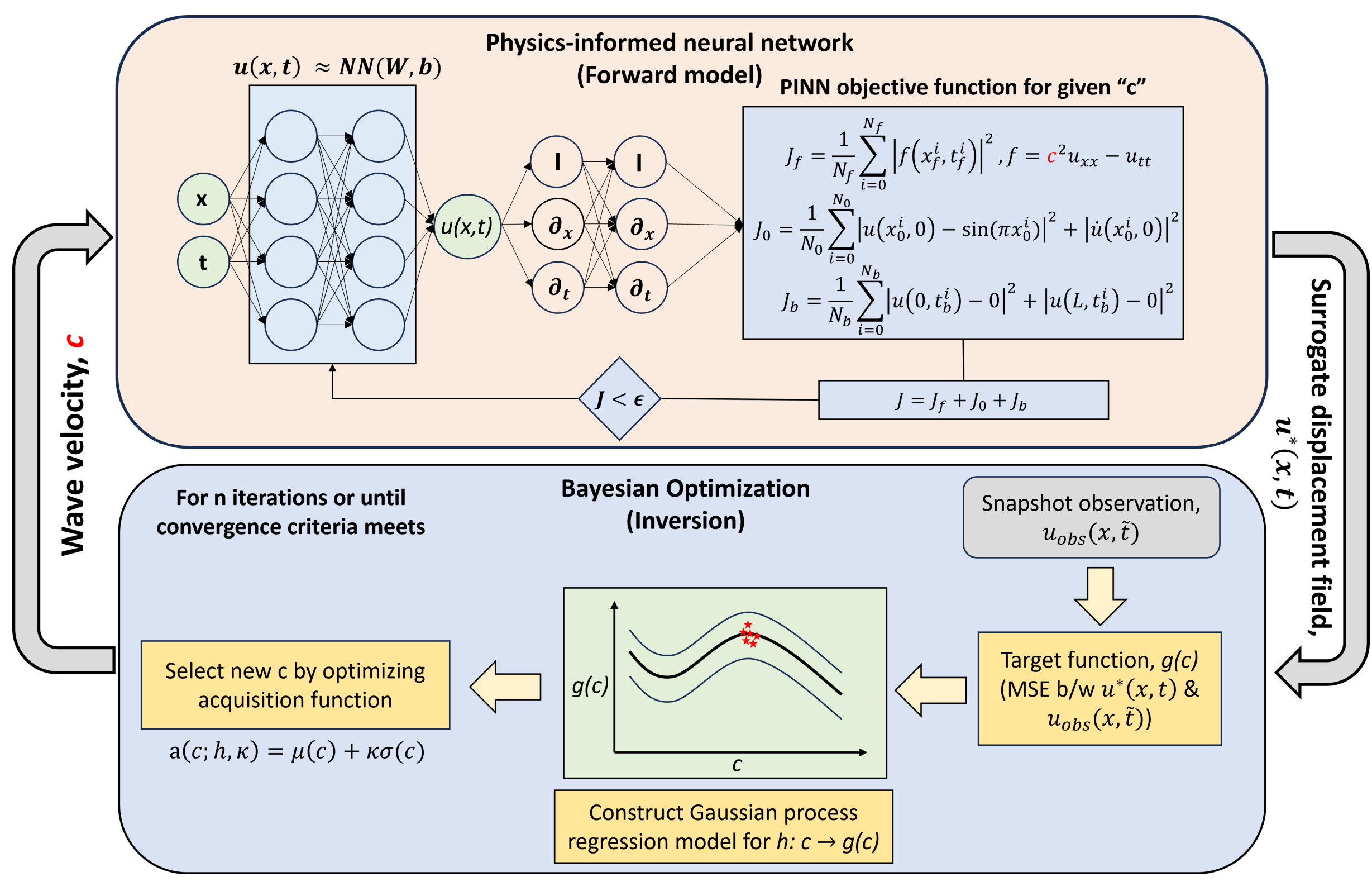
- Physics-informed neural networks + Bayesian optimization for parameter estimation in PDEs.
- A PINN is used to solve the partial differential equation (PDE), while Bayesian optimization (BO) estimates its parameters.
- The Bayesian-optimized physics-informed neural network estimates the wave velocity associated with a wave-propagation PDE using a single-snapshot observation.
- The method produces robust predictions in a limited number of iterations across different runs. Learn more in this paper.
Material design and discovery
- Composite material property estimation, composite material generation/discovery:
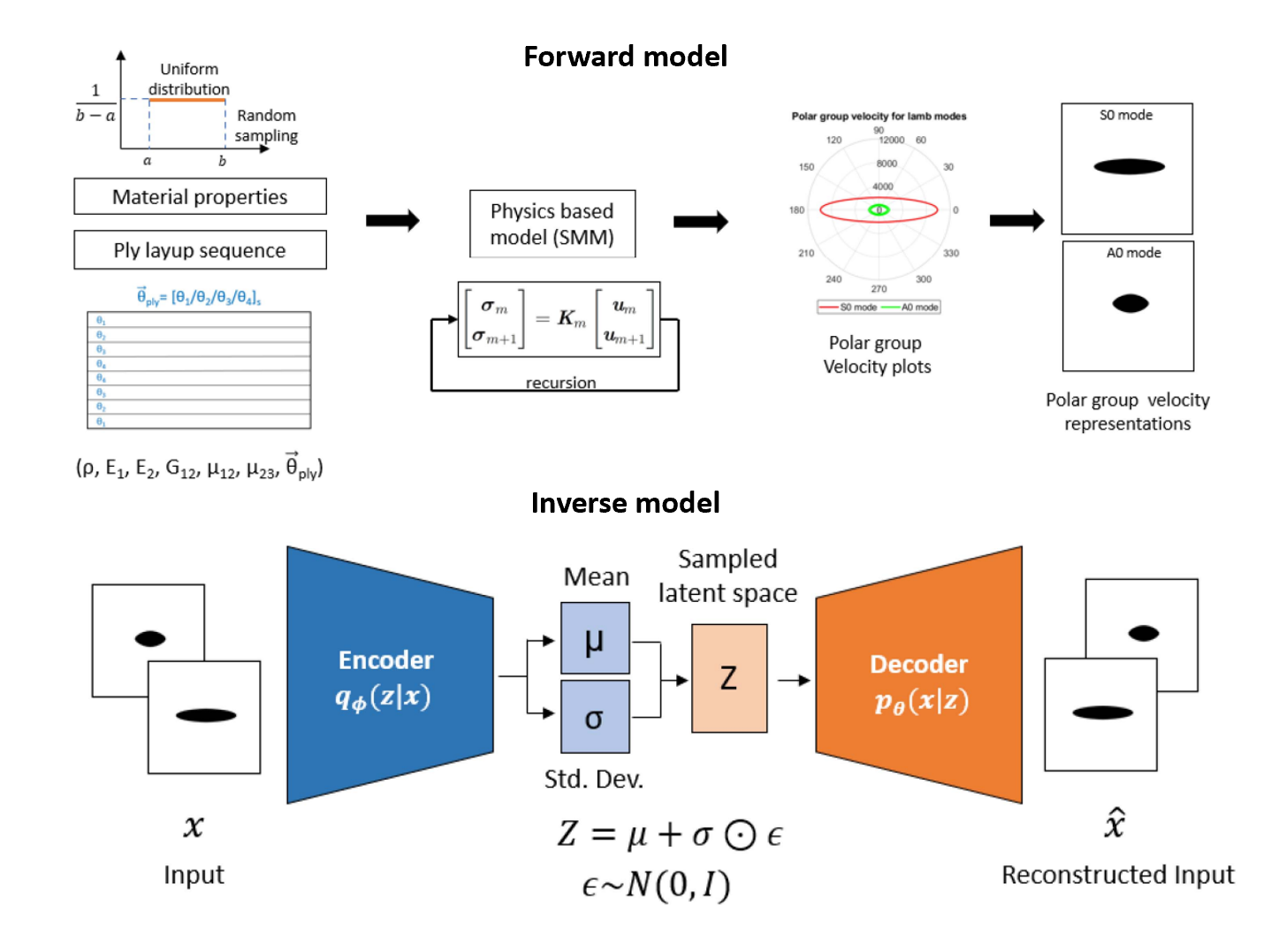
- AI-accelerated property prediction, discovery, and material design have emerged as promising research areas, but comparatively little emphasis has been placed on composite materials.
- To accelerate and scale prediction, discovery, and design, we propose a deep generative approach for composite materials using variational autoencoders.
- The generator can produce large datasets, reducing the limitations of experiments and simulations.
- Learn more in Paper 1 and Paper 2.
Safety of space habitats
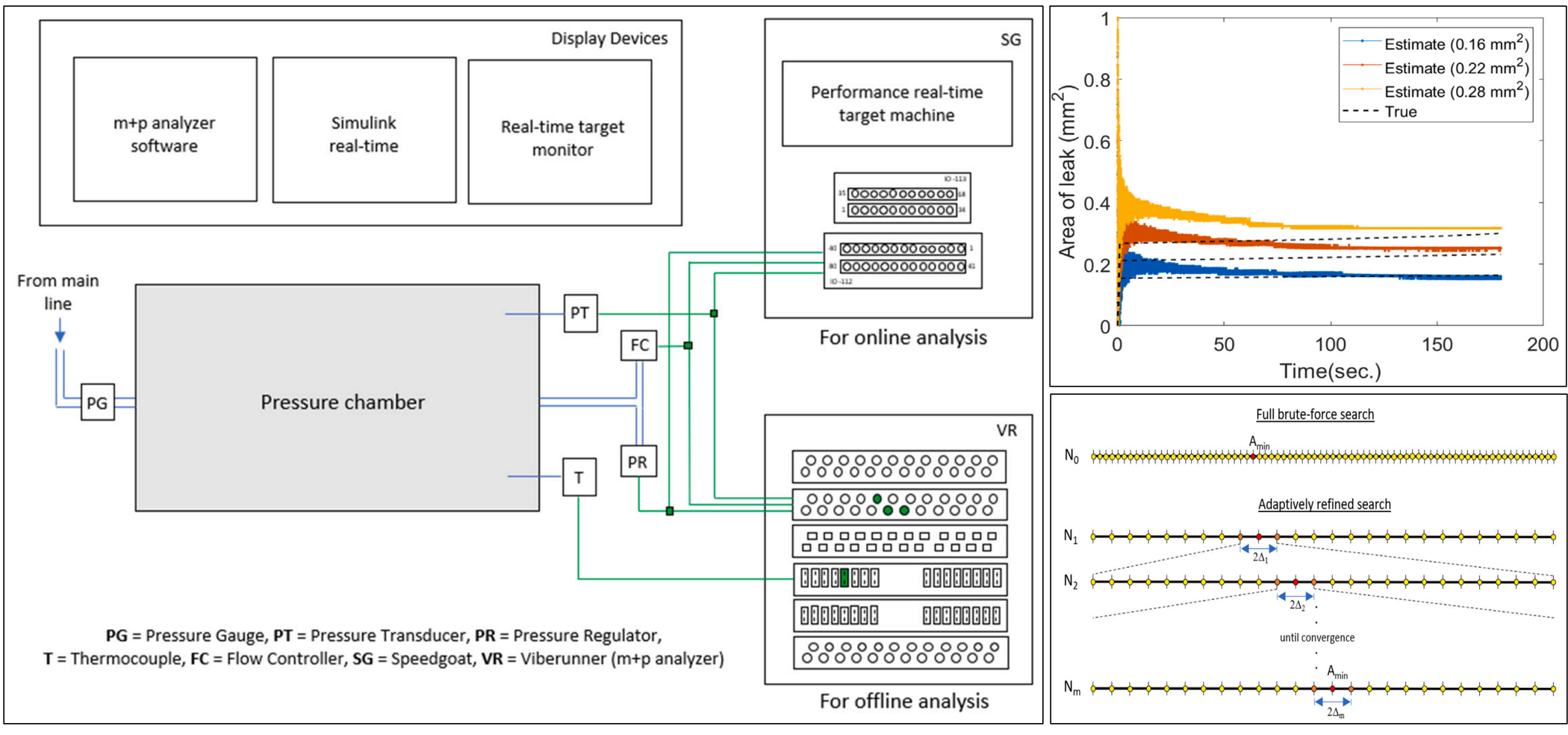
- Leakage estimation in conceptual space habitats and pressurized habitat systems using real-time adaptive optimization
- Long-term extraterrestrial habitats must operate under continuous disruptive conditions arising from extreme environments like meteoroid impacts, extreme temperature fluctuations, galactic cosmic rays, destructive dust, and seismic events.
- Loss of air or atmospheric leakage from a habitat poses safety challenges that demand proper attention. Such leakage may arise from micro-meteoroid impacts, crack growth, bolt/rivet loosening, and seal deterioration.
- Leakage estimation in deep space habitats is posed as an inverse problem. A forward pressure-based dynamical model is formulated for atmospheric leakage.
- Experiments are performed in a small-scale pressure chamber where different leakage scenarios are emulated and the corresponding pressure values are measured.
- The EWARS algorithm is developed and validated for the inverse problem of real-time leakage estimation.
- Learn more in this paper.
Robotics
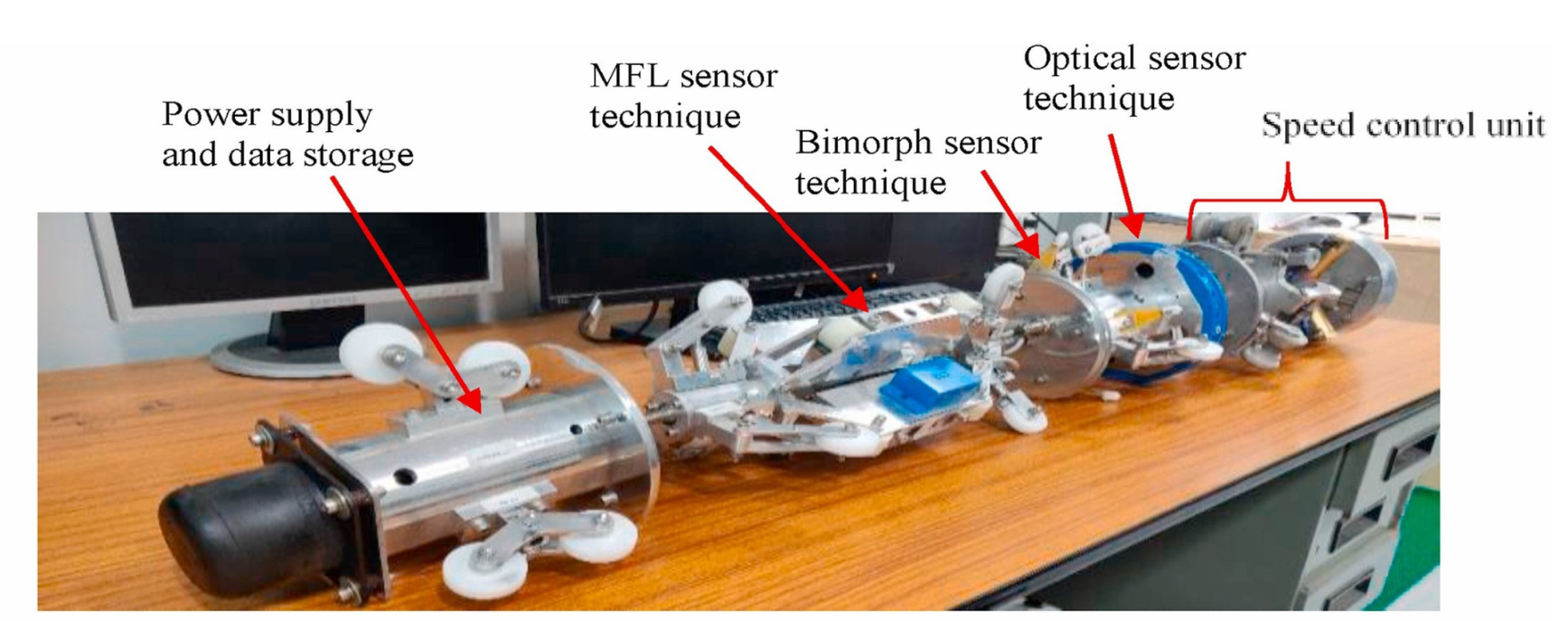
- Pipe health monitoring robot: This smart-sensor-based system can be transported inside compressed-gas pipes by a conduit-crawler robot to determine the extent of anomalies in a pipeline. The system comprises a sensor network for anomaly detection, a microcontroller for processing data from the sensor units, a storage unit for the processed data, and an autonomous platform that carries these components through the pipeline. Learn more about the project here.